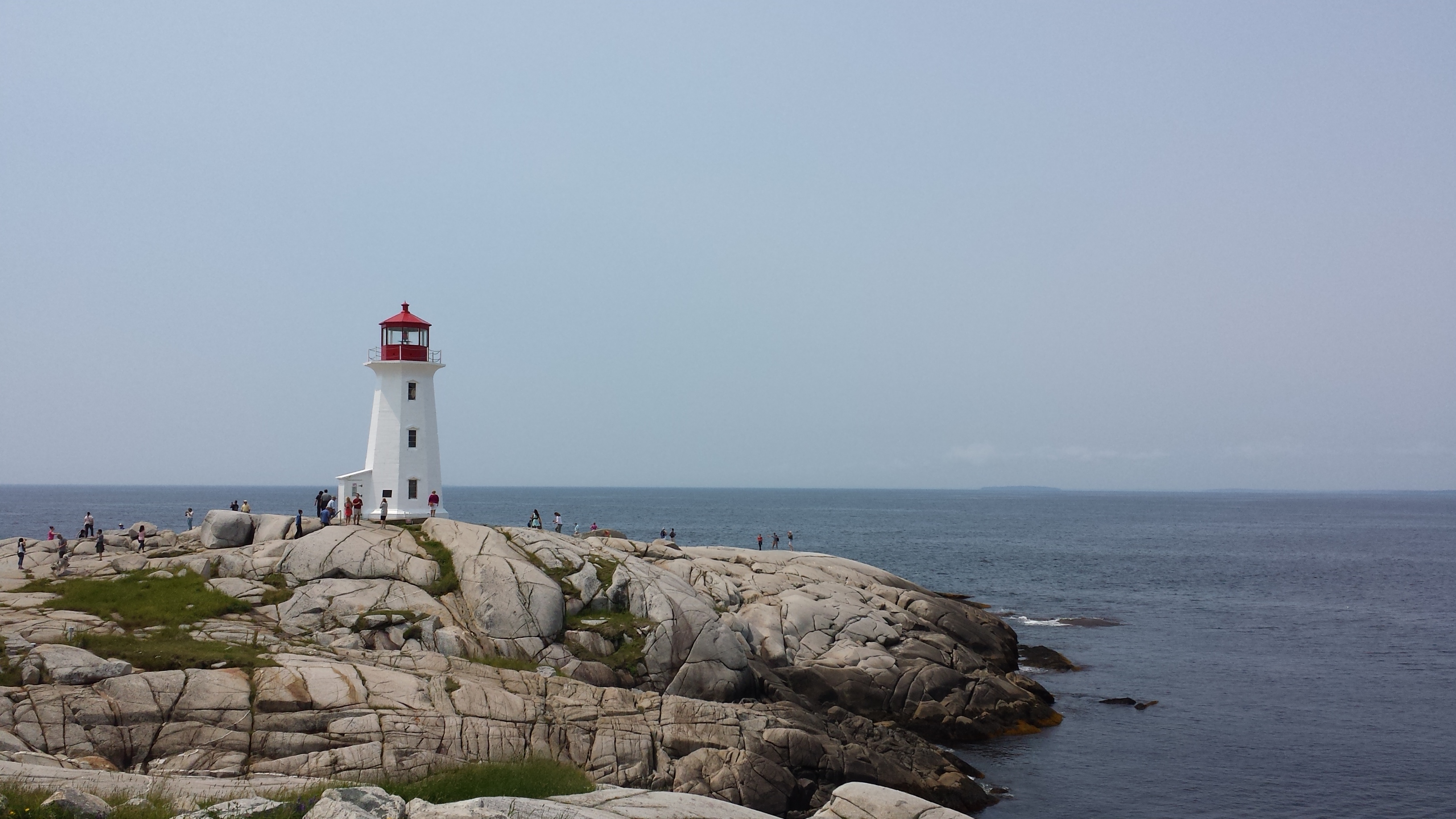
For Snake River, I chose a unique setting for the story; a small coastal town in Nova Scotia. As far as my editor and I are aware, it’s a setting that’s never used in fiction.
I’ve always felt that I’m really a country boy at heart. Even though I’ve lived in a big city for my whole life, I’ve always desired to live somewhere closer to nature and less chaotic than the city. So when I embarked on this novel writing journey, I decided to place the story in a small town.
In 2015, I took a 3-week solo backpacking trip through the Maritimes exploring Nova Scotia, New Brunswick, and PEI. Unfortunately, I was unable to get out to Newfoundland and Labrador as well, but someday I will visit those distant eastern reaches.
Throughout this trip I drove around those three provinces and discovered their beautiful, rugged scenery. In Halifax I explored the Citadel, the waterfront, the botanical gardens, and the downtown core. It was fascinating learning about the history of the Citadel, and I walked its grounds knowing that my own grandfather was sent here for basic training in WW2. Exploring its many chambers and tunnels, I wondered if I ever stood in the same place as my grandfather did all those years ago.
I’ll also never forget wandering into a bar called The Foggy Goggle later that day and ordering the lobster mac n’ cheese. Lobster is, of course, a Maritime specialty, so I had to try it. I still have a coaster from that bar.
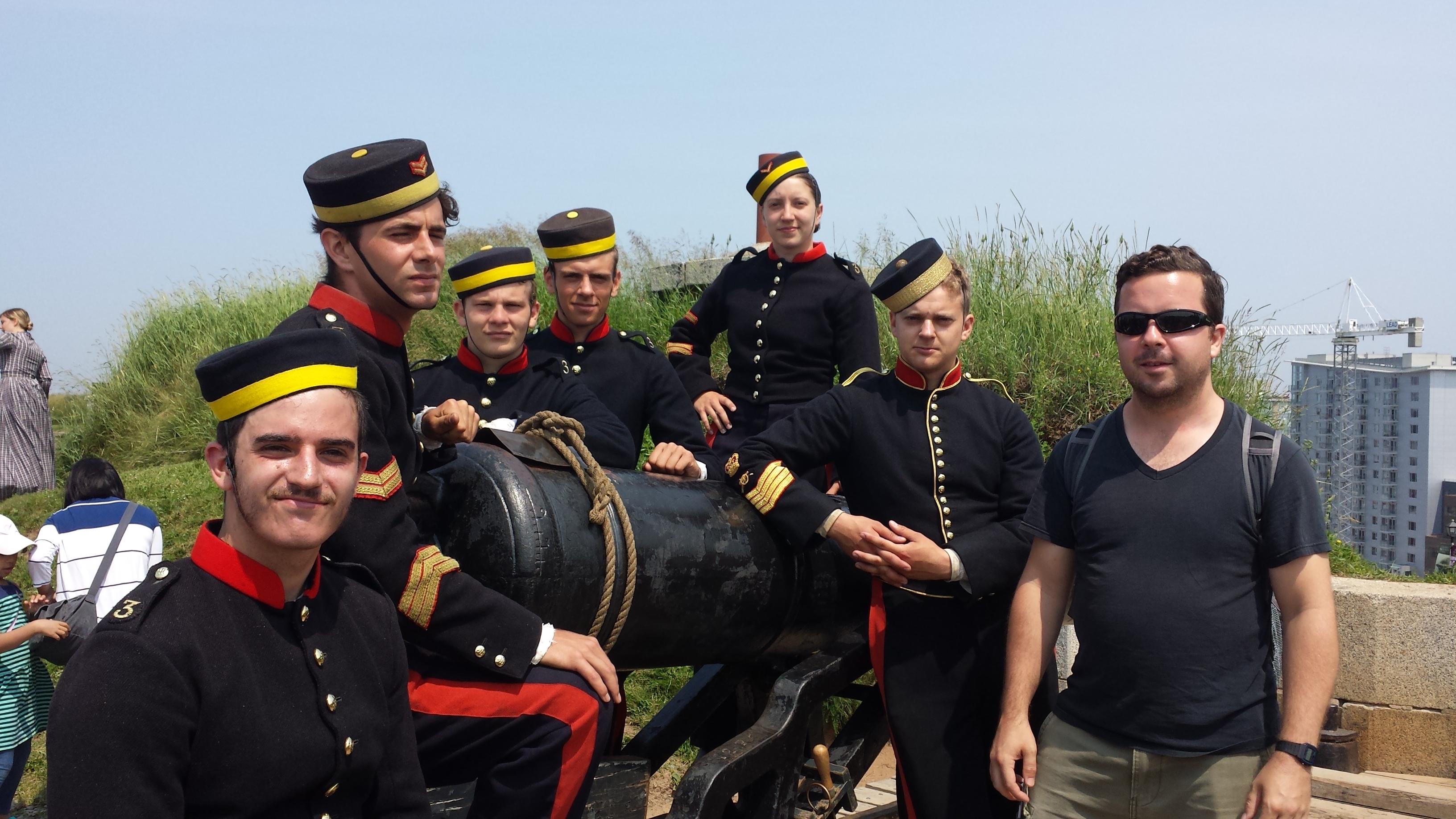
In Lunenburg, I happened to arrive in town just in time to see the unveiling of the Bluenose II, a rebuilt version of the historical ship which we have on our dime. With hordes of other tourists and locals I walked the decks of the tall ship with all of its ropes and winches, sails and masts. It was a remarkable experience getting to see a piece of history firsthand. I was even interviewed by a CBC news crew covering the event. I was on TV that night!
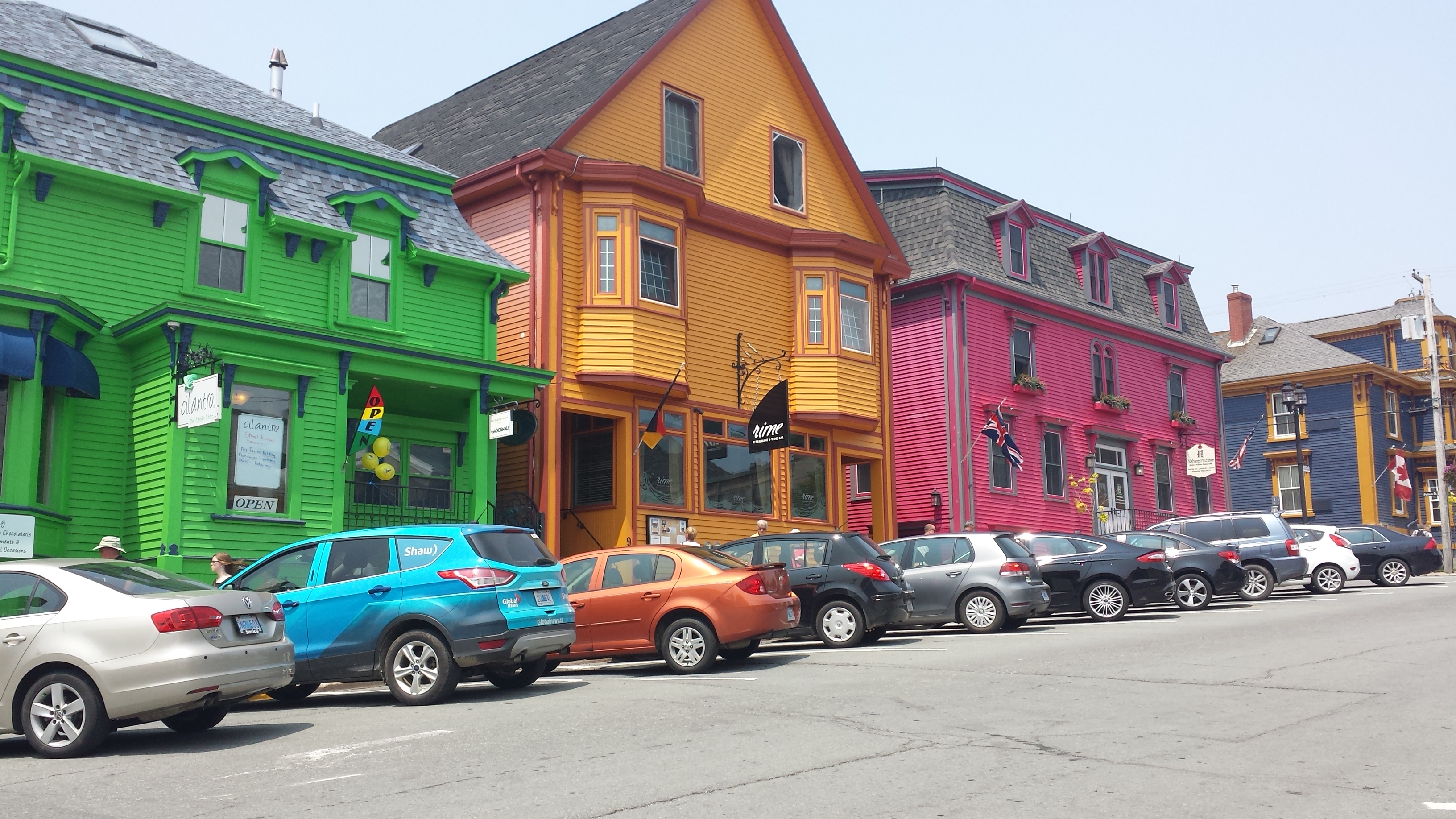
In the small town of Digby, I explored the wharf with its scallop fishing boats and yacht club. This place became the inspiration for the town of Abalone Falls, which is where most of the book takes place. The sight of fishing boats docked at the pier, the sounds of seabirds calling out and flying around, the salty tang in the air from the sea, and the small and cozy feeling of the town created an atmosphere unlike anywhere else I’ve ever been. I’ve wanted to return to that town ever since then, to experience that setting again, and get to know some of the kind and pleasant people of the town.
The next day I went on a road trip with four friends from the hostel I was staying at to Brier Island for a whale watching excursion. That was a full day trip that involved crossing two ferries to get to the island. The place was so remote people joked that it would be the perfect place to escape to during a zombie apocalypse. It was well worth the journey when we were out on the open ocean in a zodiac boat, all of us clothed in bright orange jumpsuits, and we saw several humpback whales breaching the surface.

I explored Annapolis Royal and drove through the hilly countryside on winding roads through quaint farm towns with cattle, sheep, and horses grazing in green pastures. I drove out to Cape Breton Island to visit a friend at her cottage. There I drove around the entirety of the Cabot Trail and saw some incredible oceanside scenery with rocky cliffsides, thick pine forests, and the vast blue Atlantic beyond. I’ve driven through the Sierra Mountain ranges in California, and I can tell you that what I saw out here easily compares to its beauty.

Throughout this trip I learned about the history and culture of the Maritimes, and met with many interesting and friendly people in small towns, hostels, and tourist attractions on the way. It was a real adventure that showed me how the Maritimes has its own character. It’s a unique part of Canada with so much history, culture, and wilderness to explore. There’s nowhere else like it.
The memories of this special trip stuck with me throughout the years, and I have always wanted to go back there to explore further and even maybe live out there. It’s a unique and beautiful place full of history and character.
Snake River is a decidedly Canadian book full of Canadian themes and ideas, and the Maritimes is a distinct part of this great country. Mystery stories always seem to be set somewhere in the US or the UK, so Canada is sorely underrepresented in this genre. I hope to change that. It’s a touch of originality that could set it apart from the pack when people see it on Amazon Kindle later this year!
 C.R. Riddell
Leave a comment